

Best Hill Stations in West Bengal
West Bengal is often associated with rivers, forests, and cultural cities. Yet, the northern part of the state rises dramatically into the Eastern Himalayas and the lower hill tracts of the Dooars. These hills are not just scenic escapes. They are living landscapes shaped by tea gardens, monasteries, colonial history, forest villages, and mountain communities.
This guide explores the best hill stations in West Bengal with a regional lens — not as weekend checklist destinations, but as places with character, climate patterns, access realities, and cultural depth. If you are planning a hill journey from Kolkata or elsewhere in India, understanding the strengths and limitations of each destination will help you choose wisely.
1. Darjeeling – The Classic Himalayan Hill Town
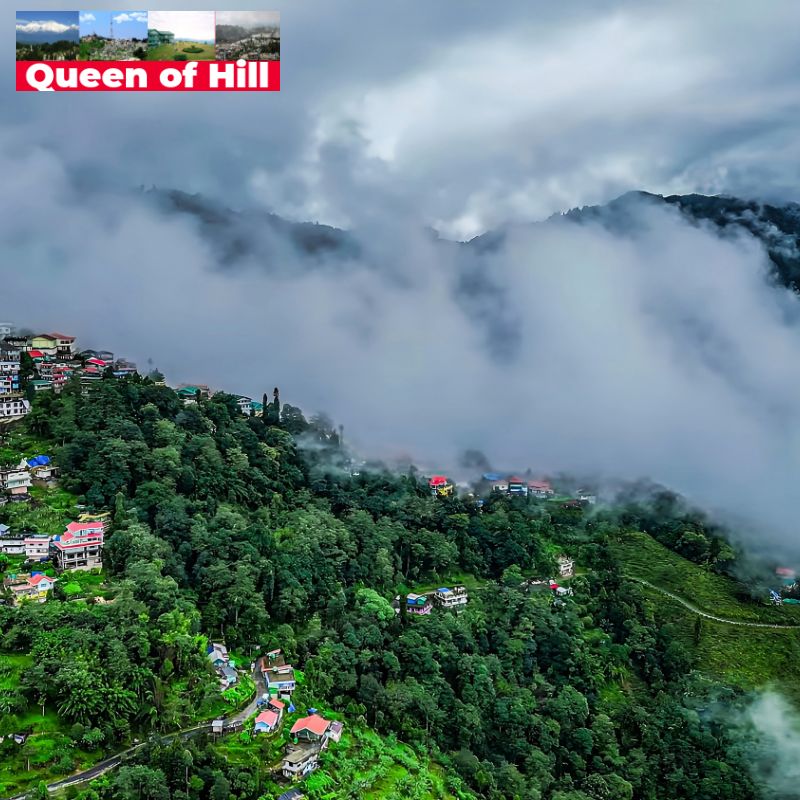
Primary appeal: Himalayan views, colonial-era charm, tea heritage
Best for: First-time hill travelers, families, heritage lovers
Darjeeling remains the most iconic hill station in West Bengal. Perched at around 6,700 feet, it offers clear views of the Kanchenjunga range on good weather days. But what makes Darjeeling significant is not just the mountain panorama. It is the layered history — British-era schools, old churches, tea estates, and the famous Darjeeling Himalayan Railway.
The town centre around Chowrasta (Mall Road) is pedestrian-friendly and remains the social heart of the town. Mornings here are slow and atmospheric. Evenings are lively but not chaotic.
Why Darjeeling still matters
Many travelers dismiss Darjeeling as “too crowded.” That perception is only partially true. Peak seasons (April–June and October) are busy. However, if you stay slightly away from the main square or travel in shoulder months like March or November, the experience changes.
Darjeeling also works well as a base to explore nearby areas such as:
- Lamahatta
- Tinchuley
- Takdah
Best Time to Visit Darjeeling
- March–May: Pleasant weather, clear mornings
- October–November: Crisp air, sharp mountain views
- July–September: Heavy monsoon; frequent fog
Darjeeling suits travelers who want infrastructure, accessibility, and a classic hill-town atmosphere.
2. Kalimpong – Quiet, Cultural, and Less Commercial
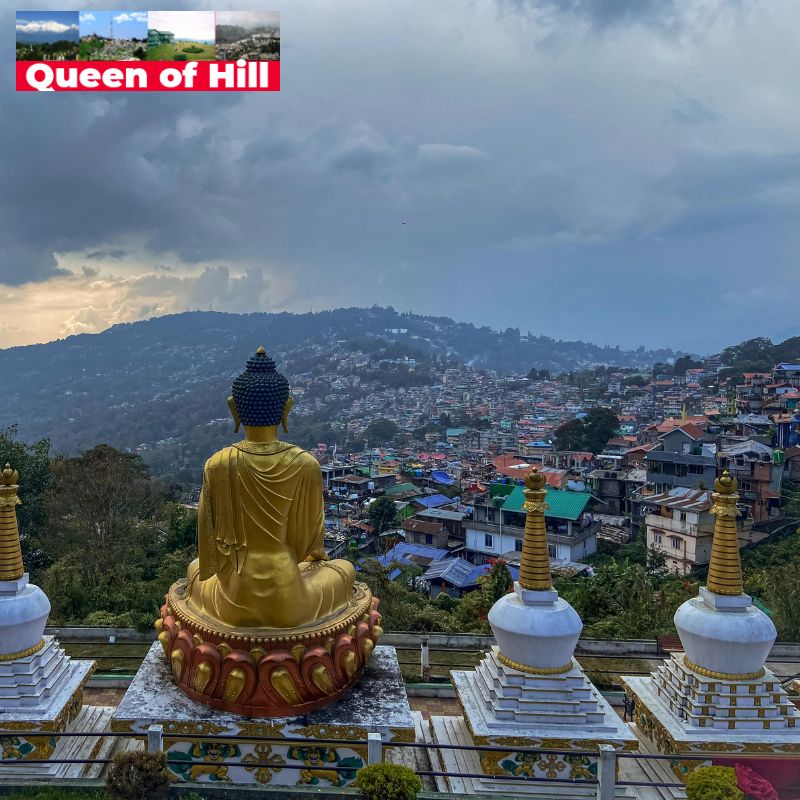
Primary appeal: Monasteries, orchids, peaceful ridges
Best for: Slow travelers, couples, long-stay visitors
Kalimpong sits at a slightly lower altitude than Darjeeling but offers a different mood. It feels more residential and less tourist-driven. Historically a trade hub between India and Tibet, Kalimpong retains a quiet cultural depth.
Durpin Dara viewpoint offers expansive views of the Teesta valley. The monasteries here are not ornamental; they are active spiritual centres. The town is also known for its nurseries and flower cultivation.
What makes Kalimpong different?
- Wider roads and less congestion
- More affordable accommodations
- Balanced weather — not as cold as Darjeeling
Kalimpong is suitable if you want hills without intense tourist activity. It is also well connected to both Darjeeling and Sikkim, making it a flexible stop in a longer itinerary.
3. Mirik – A Compact Lakeside Escape
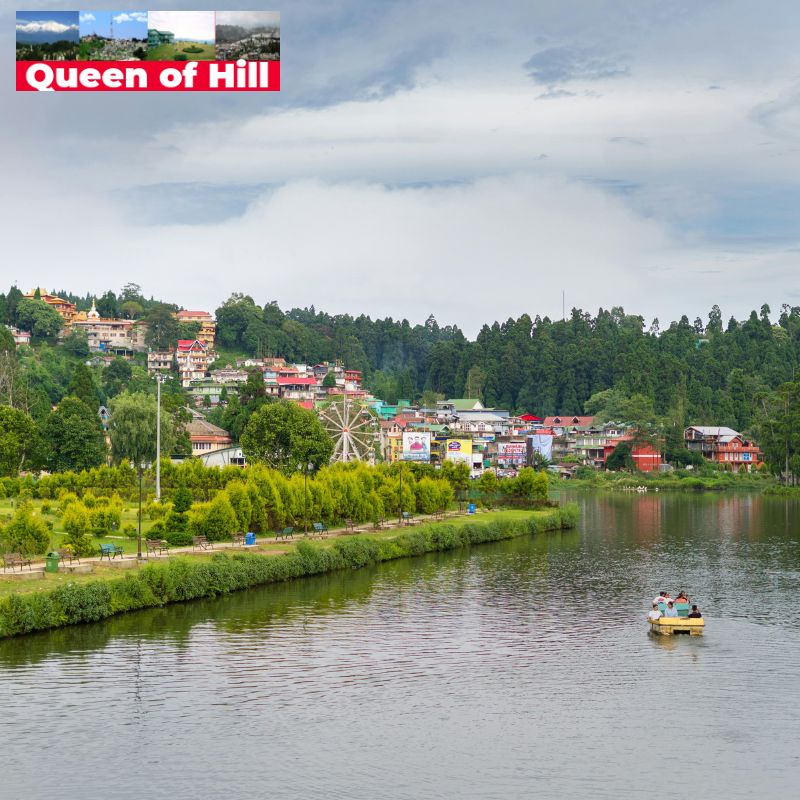
Primary appeal: Sumendu Lake, pine forests, easy access
Best for: Short family trips, relaxed weekends
Mirik is smaller and more compact compared to Darjeeling and Kalimpong. The central attraction is Sumendu Lake, surrounded by pine trees and a walking path.
Mirik works well for travelers who prefer simplicity. There are fewer sightseeing points, which actually makes it less exhausting. You can walk, sit, and enjoy the lake view without planning multiple excursions.
Ideal Duration
1–2 nights are sufficient. Mirik is also conveniently located between Siliguri and Darjeeling, making it a good stopover.
4. Kurseong – The Land of White Orchids
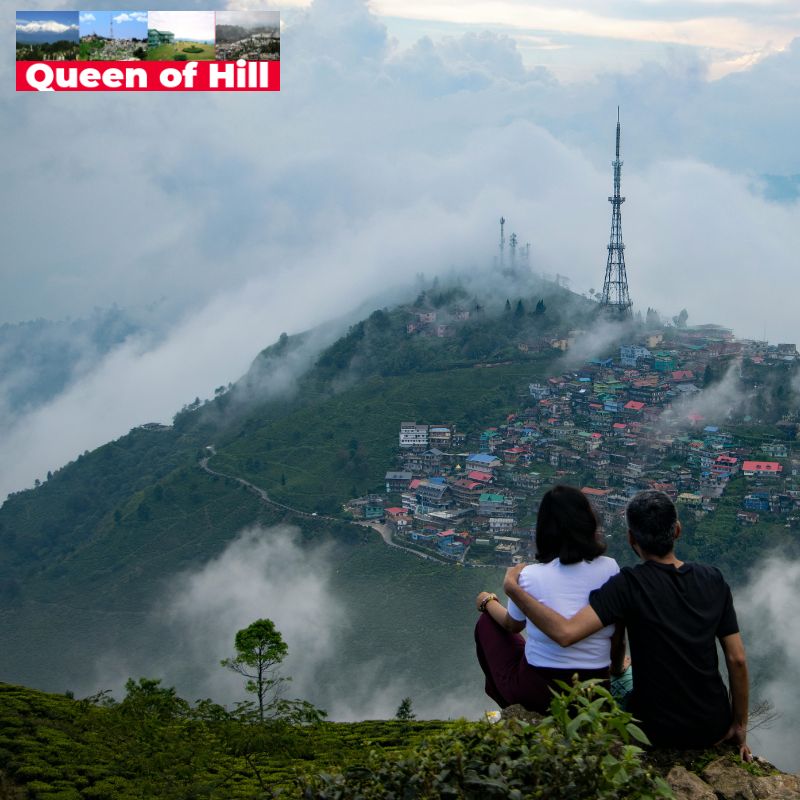
Primary appeal: Tea gardens, heritage charm, lower altitude comfort
Best for: Writers, remote workers, offbeat seekers
Kurseong lies between Siliguri and Darjeeling and is often overlooked. At around 4,800 feet, it is warmer and more breathable during winter.
The tea estates here are expansive and less commercialized. The town feels functional rather than tourist-centric. This makes it attractive for longer stays.
Why consider Kurseong?
- Fewer crowds
- Good road connectivity
- Mild winter temperatures
If Darjeeling feels overwhelming, Kurseong offers a calmer alternative without losing the hill character.
5. Lava – Forested and Misty
Primary appeal: Dense forest, birdwatching, quiet isolation
Best for: Nature-focused travelers
Lava is located near the edge of Neora Valley National Park. Unlike Darjeeling, Lava does not offer grand Himalayan views consistently. Instead, it offers forests, silence, and cool weather.
Morning fog is common, especially in winter. This is not a place for shopping or nightlife. It is best for walking, reading, and observing forest landscapes.
6. Rishyap – Raw Mountain Views
Primary appeal: Clear Kanchenjunga views
Best for: View seekers and quiet stays
Rishyap is close to Lava but sits at a higher vantage point. On clear mornings, the Kanchenjunga range appears dramatically close.
Infrastructure is basic compared to Darjeeling. Roads can be rough. But the simplicity is part of the appeal.
This destination is suitable for travelers who prioritize scenery over comfort.
7. Sandakphu – The Highest Point in West Bengal
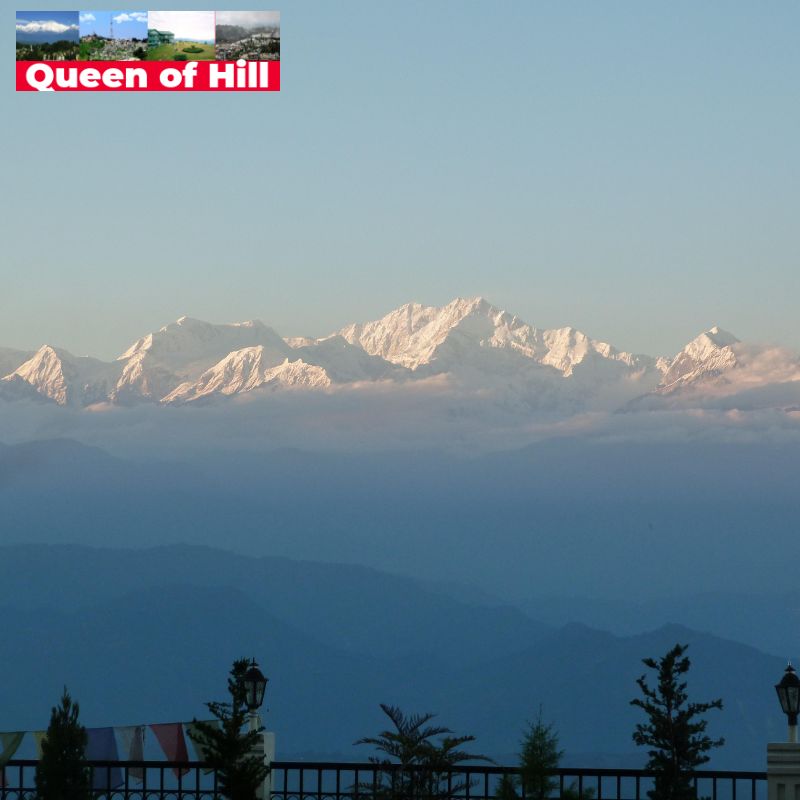
Primary appeal: Trekking, panoramic Himalayan range
Best for: Experienced trekkers
At 11,930 feet, Sandakphu is the highest point in West Bengal. It is accessible via trekking or limited vehicle routes.
From here, you can see four of the world’s five highest peaks on clear days — including Everest and Kanchenjunga.
However, Sandakphu is not a casual hill station. Weather conditions change quickly. Accommodation is basic. It requires preparation.
Choosing the Right Hill Station in West Bengal
Selecting the best hill station depends on your travel style.
For First-Time Visitors
Choose Darjeeling.
For Peace and Long Stays
Choose Kalimpong or Kurseong.
For Short, Simple Trips
Choose Mirik.
For Forest and Nature Focus
Choose Lava.
For Himalayan Views Without Crowds
Choose Rishyap.
For Adventure
Choose Sandakphu.
Best Time to Visit Hill Stations in West Bengal
The Himalayan belt in North Bengal has three distinct seasons:
Spring (March–May): Clear mornings, blooming rhododendrons in higher altitudes.
Monsoon (June–September): Heavy rainfall, landslides possible. Scenic but unpredictable.
Autumn & Early Winter (October–December): Best visibility for mountain views.
January and February are colder but quieter.
Travel Access and Connectivity
Most hill stations in West Bengal are accessed via:
- Bagdogra Airport
- New Jalpaiguri (NJP) Railway Station
- Road travel from Siliguri
Road conditions vary. Darjeeling and Kalimpong have better maintained routes. Remote places like Rishyap and Sandakphu may require local vehicles.
Responsible Travel in West Bengal Hills
The hills of North Bengal are ecologically sensitive. Water shortages are common in peak season. Plastic waste is a growing issue.
As a traveler:
- Avoid single-use plastic
- Respect local customs
- Book verified homestays and hotels
- Do not disturb forest zones
Hill stations survive on sustainable tourism. Responsible behavior directly impacts local communities.
Final Thoughts
The best hill stations in West Bengal are not interchangeable destinations. Each has a distinct personality shaped by geography, culture, and tourism pressure.
Darjeeling offers heritage and visibility.
Kalimpong offers calm and culture.
Mirik offers simplicity.
Kurseong offers authenticity.
Lava and Rishyap offer forest and views.
Sandakphu offers altitude and challenge.
Instead of asking which hill station is “best,” consider what kind of experience you want. The hills of West Bengal reward slow travel, realistic expectations, and thoughtful planning.
For a platform like QueenOfHill.com, the goal is not to promote destinations blindly, but to help travelers choose wisely — and return with deeper understanding rather than just photographs.