
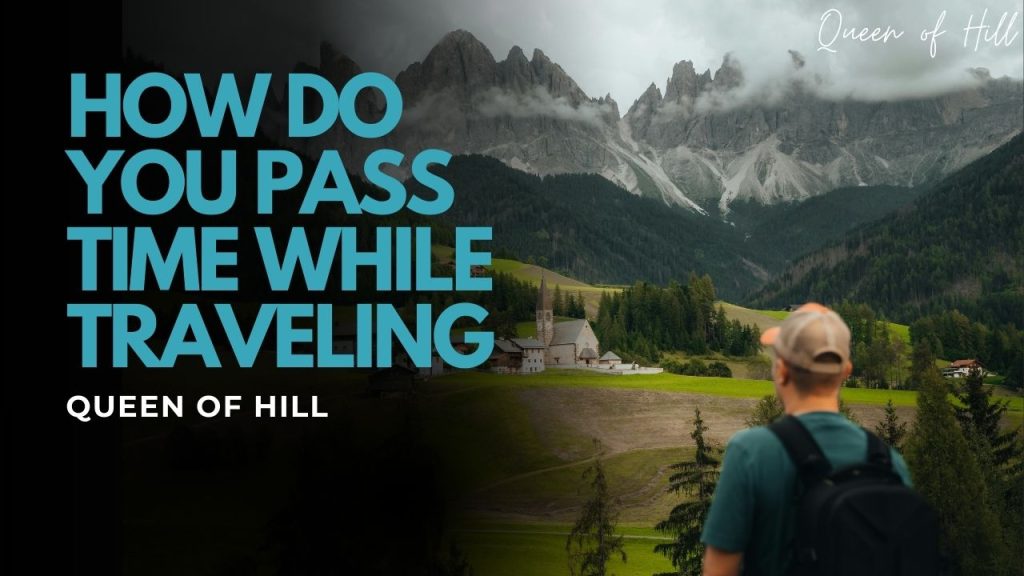
Bored on Vacation? Smart Ways on How to Pass Time While Traveling to the Hills
Long journeys are often part of hill travel.
Whether you’re:
- Driving up winding mountain roads
- Sitting through a delayed flight
- Traveling by train toward the foothills
- Spending hours in a shared cab
- Waiting out the rain in a cozy hill homestay
There are moments when time seems to slow down.
Even the most enthusiastic traveler can think:
“What should I do now?”
Boredom during travel is natural. It often happens when:
- The scenery feels repetitive
- The music playlist has looped twice
- The road feels long
- Children become restless
- Mobile signal disappears
But here’s the good news:
Travel time doesn’t have to feel wasted. With the right mindset and simple activities, it can become one of the most meaningful parts of your journey.
If you’re heading to a hill destination, here are smart and mindful ways to pass time while traveling — without turning your trip into a screen-heavy distraction.
1. Read Something Light and Engaging
Reading is one of the simplest and most rewarding ways to pass time during travel.
For hill journeys, choose:
- Light novels
- Travel memoirs
- Short story collections
- Nature writing
- Inspirational books
Avoid heavy academic reading unless you truly enjoy it — long road journeys require relaxed focus.
If you’re traveling with children:
- Bring short illustrated books
- Carry comics or activity books
- Let them choose one book themselves
Reading shifts attention away from “How much longer?” to “What happens next?”
2. Listen to Music That Matches the Journey
Music can completely transform a long drive or flight.
Create a travel playlist before you leave:
- Calm instrumental music for mountain roads
- Nostalgic songs for family bonding
- Uplifting tracks for early morning departures
- Soft acoustic songs for sunset drives
Download music in advance — hill regions often have weak mobile connectivity.
For children, create a separate playlist so everyone feels included.
3. Try Audiobooks or Travel Podcasts
If reading feels tiring, audiobooks are a wonderful alternative.
While driving through scenic landscapes, listening to:
- Adventure stories
- Mountain exploration tales
- Travel documentaries
- Inspirational biographies
… can make the journey feel immersive.
Audiobooks are especially helpful:
- During long road trips
- When eyes feel strained
- When motion sickness prevents reading
They allow you to relax while still staying mentally engaged.
4. Play Simple Travel Games (Screen-Free Options)
You don’t always need gadgets to stay entertained.
Classic road trip games work beautifully in hill travel:
- Spot the waterfall
- Count the prayer flags
- Name the mountain shapes
- License plate spotting
- “I Spy” with nature objects
For families, these games:
- Keep children engaged
- Encourage observation
- Make scenery interactive
The mountains become part of the activity.
5. Start a Travel Journal
One of the most meaningful ways to pass time is writing.
During transit, you can:
- Describe the changing scenery
- Write about how you feel
- Note interesting road signs
- Record funny family moments
- Sketch simple mountain outlines
- Reduces boredom
- Encourages mindfulness
- Creates lasting memories
Even short notes can later become cherished reflections.
6. Watch a Movie (When Appropriate)
For flights or long train rides, downloading one or two movies can help.
Choose:
- Light comedies
- Family-friendly films
- Nature documentaries
- Short travel films
Avoid overloading the trip with screen time — especially in the hills where real scenery is far more captivating.
Balance is key.
7. Observe the Landscape Intentionally
Sometimes boredom comes from passive viewing.
Instead of staring blankly outside, try active observation:
- Notice how vegetation changes as altitude increases
- Observe local architecture
- Identify river crossings
- Spot roadside tea stalls
- Watch how clouds move over peaks
Turning observation into a mindful exercise makes the journey feel alive.
8. Have Meaningful Conversations
Long journeys create rare uninterrupted time together.
Use it to:
- Ask children about their expectations
- Share travel stories from your past
- Discuss local culture
- Plan the first meal after arrival
- Reflect on what excites you most
Phones often reduce conversation — hill travel gives you a chance to reconnect.
9. Download Offline Content in Advance
Connectivity in mountain regions can be unpredictable.
Before departure:
- Download maps
- Save hotel confirmations offline
- Download music playlists
- Save eBooks
- Download language apps
This prevents frustration when networks disappear.
Preparedness reduces boredom-related stress.
10. Rest Without Guilt
Sometimes the best way to pass time is to do nothing.
During long journeys:
- Close your eyes
- Listen to ambient road sounds
- Practice slow breathing
- Use a neck pillow
- Take short naps (if not driving)
Travel itself can be tiring. Resting prepares you for exploration upon arrival.
11. Capture Creative Photos
Instead of random snapshots, try creative photography challenges:
- Capture reflections in windows
- Take black-and-white landscape shots
- Photograph roadside life
- Focus on textures — wood, stone, mist
Photography adds purpose to observation.
12. Plan Your First Day in the Hills
Use travel time productively by:
- Reviewing your itinerary
- Checking weather forecasts
- Identifying nearby cafés
- Shortlisting viewpoints
- Confirming local transport
Arriving with clarity reduces stress.
13. Bring Small Comfort Items
Comfort reduces boredom.
Carry:
- Travel pillows
- Light blankets
- Healthy snacks
- Water bottles
- Eye masks
When physically comfortable, mental irritation reduces.
14. Encourage Kids to Create
Children often become bored faster during travel.
Give them:
- Coloring books
- Simple sketch pads
- Travel bingo sheets
- Small puzzle books
- A disposable or supervised camera
Creative engagement prevents restlessness.
15. Shift Your Perspective About “Waiting”
Many people feel bored because they see travel time as “lost time.”
Instead, try reframing:
This is not wasted time.
This is transition time.
This is anticipation time.
The journey itself is part of the holiday.
Hill travel especially is about slowing down — not rushing.
When Boredom Becomes Frustration
If someone in your group feels irritated:
✔ Change the music
✔ Switch seats (if possible)
✔ Take a short roadside break
✔ Get fresh air
✔ Offer snacks or water
✔ Start a simple conversation
Small changes reset mood quickly.
A Note on Responsible Entertainment
While digital games can help occasionally, avoid:
- Excessive online gaming
- Gambling-based games
- Overuse of screens
- Ignoring real surroundings
The hills offer natural beauty that no screen can replace.
Travel Time Is Part of the Experience
Long journeys to hill stations are not obstacles — they are transitions from routine to relaxation.
Boredom often signals that we are not used to slowing down.
Instead of fighting it, use it:
- To read
- To write
- To reflect
- To connect
- To observe
By the time you arrive at your destination, you’ll realize something important:
The journey was never empty.
It was quietly preparing you for the mountains.
Travel safely. Travel mindfully. And make even the long hours count.