
Places to Visit in Kurseong – A Complete Travel Guide
Introduction to Kurseong
Kurseong is a hill town in the Darjeeling district of West Bengal, located between Siliguri and Darjeeling along National Highway 110. At an altitude of around 1,450 meters, it sits lower than Darjeeling but higher than the plains, which gives it a moderate climate throughout the year.
Travelers visit Kurseong for its quiet tea estates, colonial-era institutions, forested ridges, and uninterrupted views of the plains of North Bengal. Unlike Darjeeling, which is busier and more commercial, Kurseong moves at a slower pace. It feels more residential, with schools, churches, monasteries, and tea gardens shaping everyday life.
Compared to Mirik, Kurseong has stronger historical depth and better rail connectivity due to the heritage toy train line. Compared to Darjeeling, it sees fewer peak-season crowds. For those looking for a calm hill stay without disconnecting from transport routes, Kurseong fits well into a North Bengal itinerary.
This Kurseong travel guide covers the most meaningful places to visit in Kurseong, along with seasonal advice and practical access information.
Kurseong Weather & Best Time to Visit
Understanding Kurseong weather helps in planning travel days and sightseeing schedules, especially because the town sits along a busy hill highway.
Spring (March to April)
Spring is one of the most pleasant times for Kurseong sightseeing. The air remains fresh after winter, and tea gardens begin to show new growth. Days are clear, and mornings are cool.
This is a good season for walking through Dow Hill forest trails and visiting viewpoints without heavy mist.
Summer (May to June)
Summer temperatures in Kurseong remain moderate compared to the plains. When Siliguri becomes humid, Kurseong offers relief.
Because it lies on the way to Darjeeling, summer weekends can see increased traffic. However, the town itself rarely feels overcrowded. Early mornings and late afternoons are ideal for exploring.
Monsoon (July to September)
Monsoon brings consistent rainfall. Tea gardens turn deep green, and the hills appear layered in mist.
While the scenery is striking, road travel can slow down due to landslides in the broader Darjeeling district. If visiting during monsoon, allow extra time for journeys and avoid tight connections.
Autumn (October to November)
Autumn offers the clearest views of the plains and distant Himalayan peaks. The air becomes crisp, and visibility improves significantly.
This season is well suited for photography and relaxed outdoor exploration.
Winter (December to February)
Winter mornings are cold, and fog is common. Afternoons are usually sunny and comfortable.
If you prefer quieter travel periods, winter is suitable, but warm clothing is essential, especially for early morning excursions.
Top Places to Visit in Kurseong
When exploring places to visit in Kurseong, it helps to understand that the town blends natural beauty with educational and historical institutions. Many attractions are spread along ridges rather than clustered in a single market area.
Eagle’s Crag Viewpoint
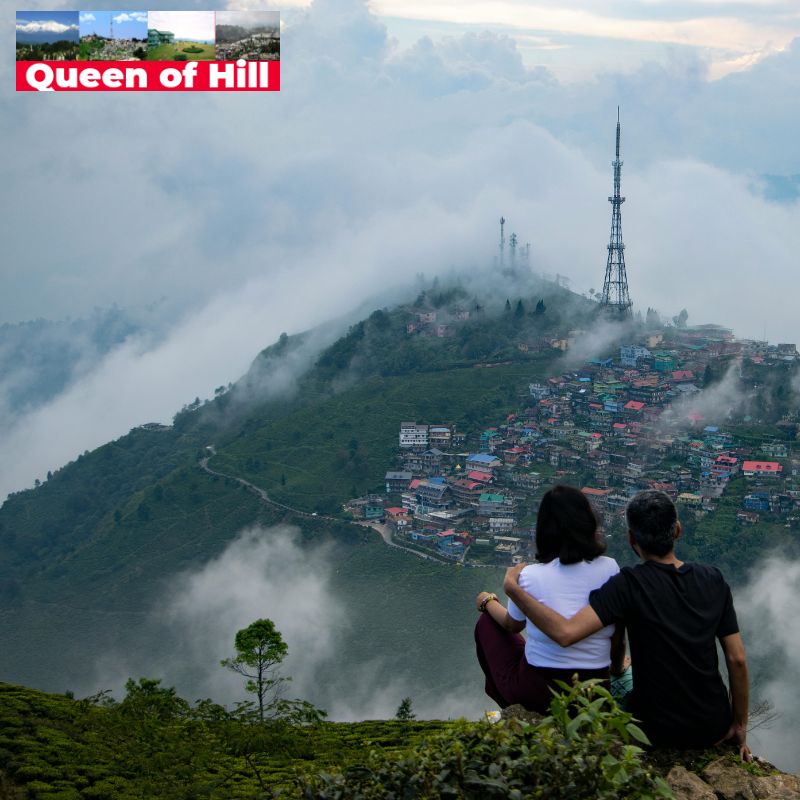
Eagle’s Crag is one of the most well-known viewpoints in Kurseong. Located on a hilltop, it offers sweeping views of the plains of Siliguri and the Teesta river basin on clear days.
Sunset from Eagle’s Crag can be rewarding when skies are clear. However, visibility depends heavily on weather conditions, especially during monsoon and winter fog.
The path to the viewpoint is short but slightly steep. Early evening visits are common among locals.
Dow Hill and Dow Hill Forest
Dow Hill is a forested ridge known for tall conifer trees and quiet walking paths. The atmosphere here is noticeably cooler and calmer compared to the main town.
The area is also home to several historic schools that date back to the colonial era. The forest roads are suitable for slow walks, especially in the morning.
Visitors should respect the silence of the area, as it remains close to residential and institutional zones.
Netaji Subhash Chandra Bose Museum
Located at Giddapahar, this museum marks the residence where Netaji Subhash Chandra Bose stayed during periods of detention and recovery.
The house preserves photographs, documents, and personal items related to Netaji’s life. The setting itself offers a quiet view of the surrounding hills.
For those interested in India’s freedom movement, this is one of the most historically significant places to visit in Kurseong.
Makaibari Tea Estate
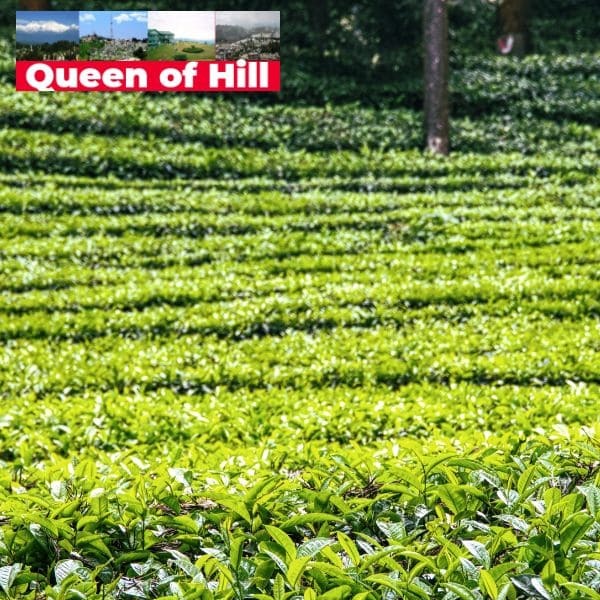
Makaibari Tea Estate is one of the oldest tea estates in the region and has played a role in promoting organic tea cultivation.
The tea slopes extend across rolling hills near Kurseong. While factory visits require prior arrangement, the surrounding landscape is visible from public roads.
Respect estate boundaries and avoid entering private areas without permission.
Ambotia Shiva Mandir
Ambotia Shiva Mandir sits near the Ambotia Tea Garden. The temple area offers peaceful surroundings and panoramic views of tea slopes.
It attracts both local devotees and visitors seeking a quiet hilltop setting.
Nearby Villages, Tea Gardens & Nature Spots
Kurseong’s surroundings provide insight into everyday life in the Darjeeling hills.
Chatakpur (via Sonada Route)
Although technically closer to Sonada, Chatakpur is accessible as a longer excursion from Kurseong. This eco-village offers forest-based stays and structured eco-tourism management.
It appeals to travelers looking for minimal infrastructure and close forest interaction.
Giddapahar
Giddapahar is not just the location of the Netaji museum but also a quiet residential ridge with old colonial-era houses and shaded roads.
Walking here gives a sense of Kurseong’s layered past.
Ambotia Tea Garden
Ambotia Tea Garden lies a short drive from Kurseong town. The road to Ambotia passes through thick greenery and scattered villages.
This area feels more rural than the town center. Morning drives through Ambotia often offer clear light across tea slopes.
Viewpoints & Short Excursions
Apart from Eagle’s Crag, several ridgelines near Kurseong offer quiet viewing spots without formal infrastructure.
Short drives toward Rohini Road provide glimpses of the plains and winding hill roads. On exceptionally clear days, parts of the eastern Himalayan range are visible from higher ridges.
Sunrise views are possible from elevated points, but mist often affects visibility during winter and monsoon.
How to Reach Kurseong
Kurseong is well connected by road and rail.
From Siliguri
The Siliguri to Kurseong distance is approximately 30 km. Travel time ranges from 1.5 to 2 hours depending on traffic.
The road climbs steadily via Rohini or Hill Cart Road. Rohini Road is shorter but narrower in sections.
From NJP Railway Station
NJP to Kurseong distance is roughly 35 km. Shared jeeps and private vehicles operate regularly.
The Darjeeling Himalayan Railway also connects NJP and Kurseong, though train journeys take longer.
From Bagdogra Airport
Bagdogra to Kurseong distance is about 40 km. Travel usually takes 2 hours.
It is advisable to avoid late-night hill travel if unfamiliar with the route.
From Darjeeling
Darjeeling to Kurseong distance is around 30 km. The journey takes approximately 1.5 to 2 hours depending on traffic and road conditions.
Kurseong often serves as a midway halt for travelers descending from Darjeeling.
Who Should Visit Kurseong?
Kurseong suits travelers who prefer calm over crowded markets.
It works well for:
Families seeking a quieter alternative to Darjeeling
Couples who enjoy tea garden settings
History enthusiasts interested in Netaji’s legacy
Slow travelers combining Darjeeling, Mirik, and Kurseong
Writers or remote workers seeking a moderate climate
It may not appeal to those looking for adventure sports or a lively nightlife scene.
Conclusion
Kurseong occupies a distinctive position in the Darjeeling district. It connects the plains to the higher Himalayas, both geographically and culturally.
The most meaningful places to visit in Kurseong are spread across forested ridges, tea estates, and heritage sites rather than concentrated in a single tourist hub. Its strength lies in its balance: accessible yet peaceful, historic yet functional.
For travelers exploring North Bengal beyond standard itineraries, Kurseong offers a grounded hill experience. It rewards slow travel, early morning walks, and unhurried exploration of tea gardens and viewpoints.