Places to Visit in Sikkim – A Complete Travel Guide
Introduction to Sikkim
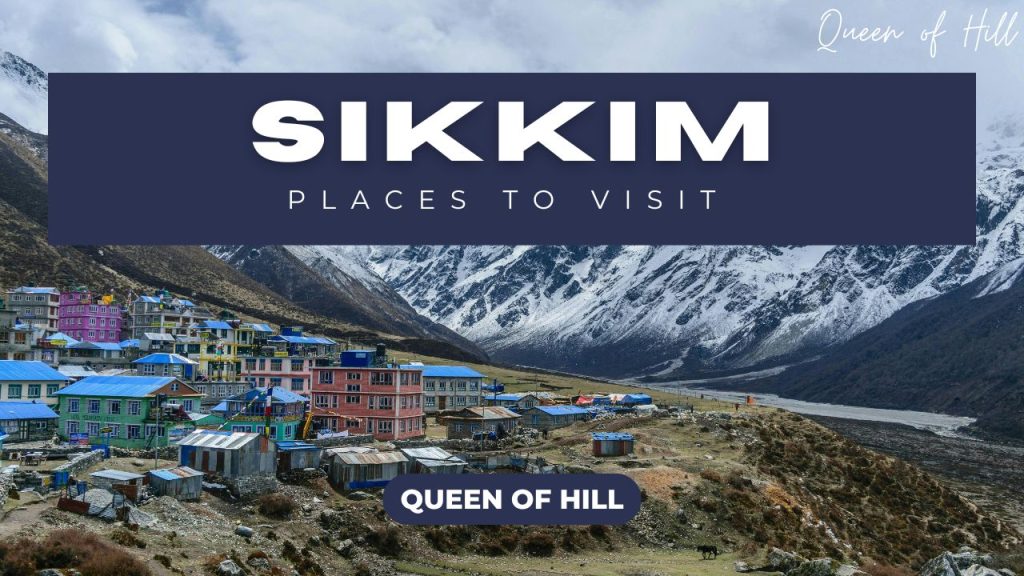
Sikkim is a Himalayan state in northeastern India, bordered by West Bengal, Bhutan, Nepal, and Tibet. Though small in size, it offers wide geographic variety—from subtropical river valleys to high-altitude lakes and snow-covered mountain passes.
Travelers visit Sikkim for its monasteries, alpine landscapes, mountain roads, and strong cultural identity. Unlike Darjeeling, which developed under colonial administration, Sikkim was an independent kingdom until 1975. That historical difference is still visible in its monasteries, architecture, and administrative systems.
Compared to the Darjeeling hills, Sikkim feels more structured and regulated, especially in terms of permits and environmental controls. Compared to larger Himalayan states, it remains compact and manageable. This Sikkim travel guide focuses on the most meaningful places to visit in Sikkim across East, North, South, and West districts.
Sikkim Weather & Best Time to Visit
Sikkim weather varies significantly with altitude. Conditions in Gangtok differ greatly from North Sikkim or Pelling.
Spring (March to May)
Spring is one of the best times for Sikkim sightseeing. Rhododendrons bloom across higher altitudes, and mountain views are relatively clear.
This season works well for Gangtok, Pelling, and parts of North Sikkim before monsoon arrives.
Summer (June)
Early summer remains comfortable, but cloud cover increases toward late June.
Valley areas remain humid, while higher altitudes stay cool. Travel to high passes may depend on road conditions.
Monsoon (July to September)
Monsoon brings heavy rainfall, particularly in lower valleys. Landslides can disrupt road connectivity, especially toward North Sikkim.
If visiting during monsoon, focus on Gangtok and nearby short excursions rather than long-distance travel.
Autumn (October to November)
Autumn offers the clearest mountain views. This is one of the most reliable seasons for visiting Tsomgo Lake, Nathula Pass, Pelling, and Gurudongmar Lake (weather permitting).
Winter (December to February)
Winter brings snowfall to higher regions such as Lachung, Lachen, and Tsomgo Lake.
Lower areas like Gangtok remain accessible, but temperatures drop significantly in North Sikkim.
Top Places to Visit in Sikkim
The places to visit in Sikkim vary widely depending on district and altitude. Planning by region helps manage travel time.
Gangtok
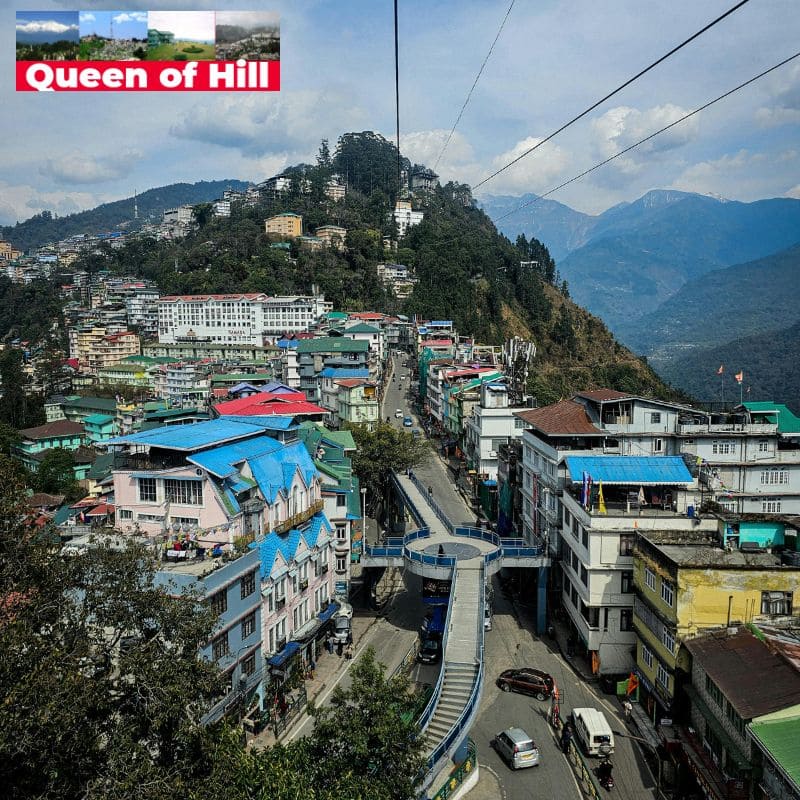
Gangtok is the capital and administrative center of Sikkim. It combines urban infrastructure with Himalayan scenery.
MG Marg serves as the pedestrian heart of the city. Nearby attractions include Rumtek Monastery and Tashi View Point.
Gangtok functions as the starting point for most Sikkim itineraries.
Tsomgo Lake
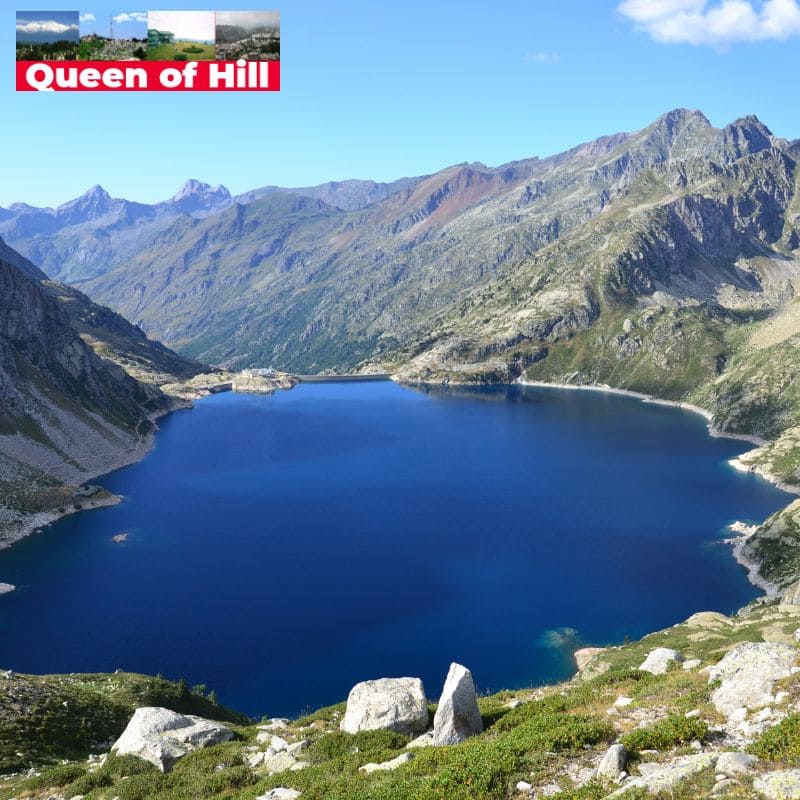
Located at over 3,700 meters, Tsomgo Lake is a glacial lake about 40 km from Gangtok.
Weather changes rapidly at this altitude. Permits are required, and access depends on road conditions.
Winter snowfall transforms the lake landscape, while autumn offers clearer views.
Nathula Pass
Nathula Pass connects India and China along an ancient trade route. It lies at over 4,300 meters.
Permits are mandatory and subject to availability. Oxygen levels are lower at this altitude, so travelers should avoid rushing.
This is one of the most geopolitically significant places to visit in Sikkim.
Pelling
Pelling lies in West Sikkim and is known for views of the Kanchenjunga range.
Key attractions include Pemayangtse Monastery and Rabdentse Ruins, the former capital of the Kingdom of Sikkim.
Clear mornings provide the best mountain visibility.
Lachung and Yumthang Valley
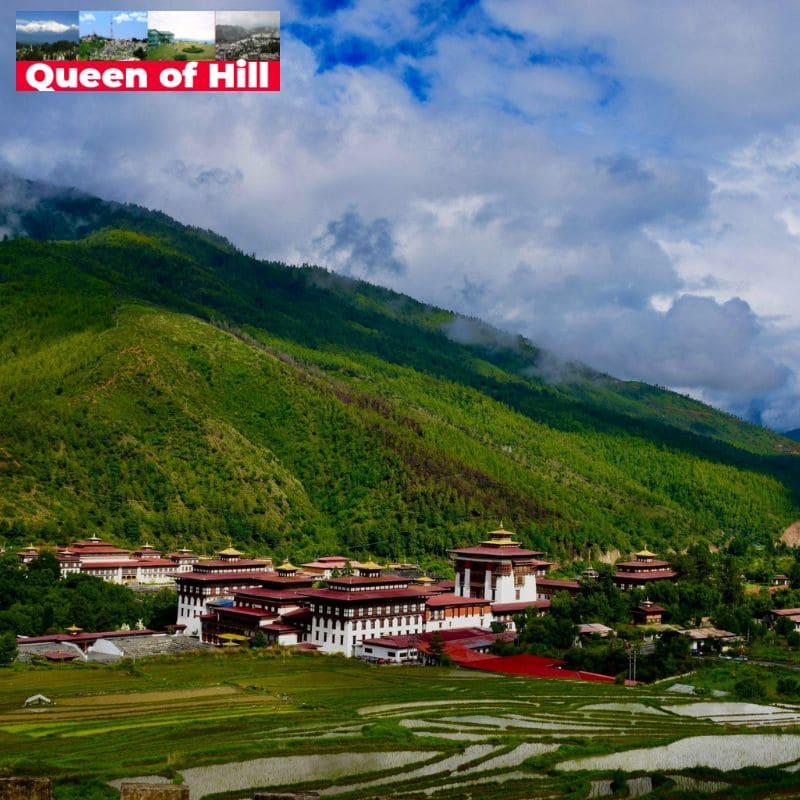
Lachung serves as a base for visiting Yumthang Valley in North Sikkim.
Yumthang, often called the Valley of Flowers of Sikkim, features alpine meadows and seasonal blooms.
Road travel to North Sikkim is long and weather-dependent.
Gurudongmar Lake
Situated at over 5,000 meters, Gurudongmar Lake is among the highest lakes in India.
Access requires permits and careful acclimatization. Travel begins from Lachen in North Sikkim.
Weather and military advisories may affect access.
Nearby Villages, Monasteries & Nature Areas
Sikkim’s smaller settlements offer cultural depth beyond major attractions.
Yuksom
Yuksom was the first capital of Sikkim. It is historically significant as the site of the coronation of the first Chogyal.
It also serves as the base for Kanchenjunga trekking routes.
Ravangla
Ravangla in South Sikkim is known for Buddha Park (Tathagata Tsal), which houses a large Buddha statue overlooking mountain landscapes.
It offers quieter stays compared to Gangtok.
Viewpoints & Short Excursions
Sikkim’s viewpoints vary by region.
Tashi View Point in Gangtok offers early morning views of snow peaks. Pelling provides direct Kanchenjunga views from hotel balconies and monastery grounds.
Sunrise visibility is strongest during autumn. Monsoon and winter fog can limit clarity.
Short excursions from Gangtok include Rumtek Monastery and Hanuman Tok.
How to Reach Sikkim
Travel routes depend on entry point.
From Siliguri
The Siliguri to Gangtok distance is approximately 115 km. Travel time ranges from 4 to 5 hours via NH10 along the Teesta River.
Road conditions are generally stable but may slow during monsoon.
From NJP Railway Station
NJP to Gangtok distance is about 120 km. Shared taxis and private vehicles operate regularly.
This is the most common entry route for train travelers.
From Bagdogra Airport
Bagdogra to Gangtok distance is roughly 125 km. Travel usually takes 4–5 hours.
Helicopter services operate seasonally, subject to weather.
From Darjeeling
Darjeeling to Gangtok distance is around 100 km. Travel requires descending to Teesta Bazaar before climbing again toward Gangtok.
Expect 4–5 hours depending on traffic and road conditions.
Who Should Visit Sikkim?
Sikkim suits travelers who appreciate mountain landscapes and cultural heritage.
It works well for:
Families seeking structured hill travel
Couples looking for scenic mountain stays
Adventure travelers exploring North Sikkim
Pilgrimage travelers visiting monasteries
Nature lovers interested in alpine ecosystems
Travelers uncomfortable with long road journeys at high altitudes may prefer focusing on Gangtok and Pelling.
Conclusion
Sikkim offers remarkable geographic diversity within a compact region. From high-altitude lakes to historical monasteries, the places to visit in Sikkim reflect both natural beauty and a distinct cultural history.
Unlike more commercial hill destinations, Sikkim maintains strong environmental regulations and permit systems. This structure preserves its landscapes while requiring careful travel planning.
For travelers building a broader eastern Himalayan itinerary, Sikkim provides altitude, history, and perspective. A well-paced itinerary allows time for acclimatization, clear morning views, and meaningful monastery visits.