






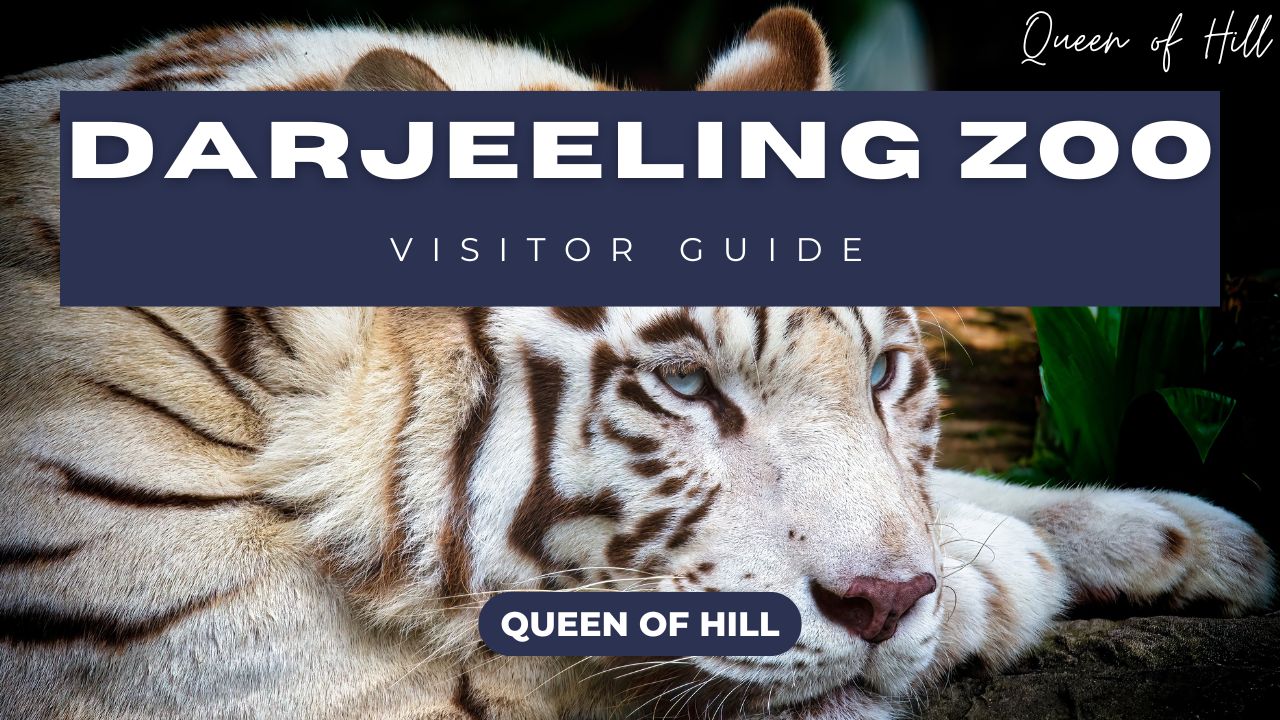
Padmaja Naidu Himalayan Zoological Park (Darjeeling Zoo) – Visitor Guide
The Darjeeling Zoo, officially known as the Padmaja Naidu Himalayan Zoological Park, is one of the most important high-altitude wildlife conservation centers in India. Located in the hills above Darjeeling town, the zoo is not a typical urban animal park. It is designed specifically for Himalayan species that thrive in cold climates and mountainous terrain.
What makes this zoo significant is its focus on conservation rather than entertainment. It plays a key role in breeding and protecting endangered species such as the red panda, snow leopard, and Himalayan wolf. For visitors, it offers a rare opportunity to observe these animals in an environment closer to their natural habitat.
For travelers exploring Darjeeling, the zoo provides a meaningful experience that goes beyond sightseeing. It combines education, conservation awareness, and a chance to understand Himalayan biodiversity.
Where is Darjeeling Zoo Located?
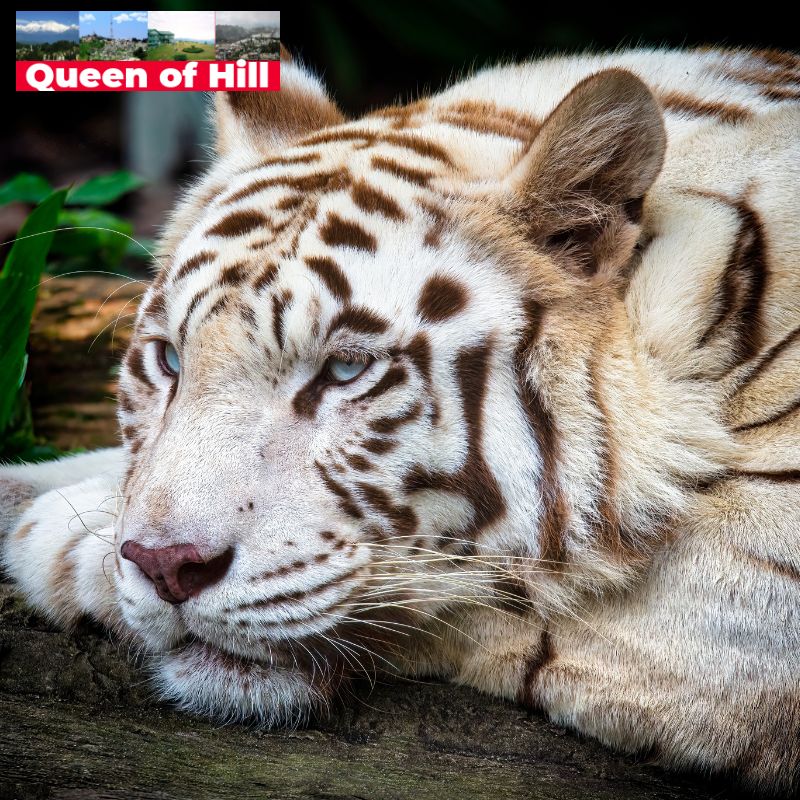
The zoo is located in the Birch Hill area of Darjeeling, close to the Himalayan Mountaineering Institute.
Distance from Darjeeling Mall Road:
Approximately 2 kilometers
Travel time:
10 minutes by taxi or 25–30 minutes on foot
Nearest landmark:
Himalayan Mountaineering Institute
The zoo sits at an altitude of about 7,000 feet, making it one of the highest zoos in India. The terrain is spread across a hillside, so visitors should expect some walking.
Why Darjeeling Zoo is Famous
High-Altitude Conservation
Unlike many zoos in India, this park specializes in animals adapted to cold climates. It has been internationally recognized for its breeding programs for endangered Himalayan species.
Red Panda Breeding Program
The zoo is particularly well known for its success in breeding the Red Panda, which is native to the Eastern Himalayas. Seeing a red panda in a naturalistic enclosure is one of the highlights for most visitors.
Snow Leopard Conservation
Another major attraction is the Snow Leopard. These elusive animals are rarely seen in the wild, making the zoo one of the few accessible places where visitors can observe them.
Natural Enclosures
The enclosures are designed to replicate natural habitats rather than confined cages. Animals have space to move, climb, and behave naturally, which improves both their well-being and the visitor experience.
History of Darjeeling Zoo
The Padmaja Naidu Himalayan Zoological Park was established in 1958 and later expanded into a specialized high-altitude zoo.
It was named after Padmaja Naidu, the former Governor of West Bengal, in recognition of her contributions to public service.
Over time, the zoo evolved into a conservation-focused institution rather than a general animal display park. It became a key center for captive breeding programs, especially for species that are threatened in the wild.
The zoo is also closely associated with the Himalayan Mountaineering Institute, reflecting Darjeeling’s broader connection to Himalayan exploration and environmental awareness.
How to Reach Darjeeling Zoo
From Darjeeling Town
The zoo is easily accessible from most parts of Darjeeling.
By Taxi
Local taxis can take you directly to the entrance.
Approximate fare:
Rs 150–300 depending on location and season.
Walking Option
Walking is a popular option for visitors staying near Mall Road. The route is scenic but involves uphill sections. It takes around 25–30 minutes.
Combined Visit
Most travelers combine the zoo visit with the Himalayan Mountaineering Institute, as both are located within the same complex.
Entry Fee & Timings
Entry Fee:
- Indian visitors: Approx. Rs 60–100
- Foreign visitors: Higher fee (varies)
Camera Charges:
- Mobile photography: Usually free
- Professional cameras: May have additional charges
Opening Hours:
- 8:30 AM to 4:00 PM (closed on Thursdays)
Timings may change slightly during winter months.
Best Time to Visit Darjeeling Zoo
Morning Visits
Morning is the best time to visit. Animals are more active, and the weather is comfortable for walking.
Seasonal Considerations
- March to May: Pleasant weather, clear paths
- October to December: Best clarity and fewer crowds
- Monsoon (June–September): Wet and slippery paths
- Winter (December–February): Cold but quieter
Because the zoo is outdoors and spread across a hillside, weather plays an important role in the overall experience.
What to See & Do at Darjeeling Zoo
Observe Rare Himalayan Animals
The main highlight is observing animals that are rarely seen elsewhere.
Key species include:
- Red Panda
- Snow Leopard
- Himalayan Wolf
- Himalayan Black Bear
Walk Through Natural Terrain
The zoo is built along a hillside, so walking through it feels more like exploring a forest trail than visiting a traditional zoo.
Visit the Himalayan Mountaineering Institute
Located next to the zoo, this institute offers insight into the history of mountaineering in India, including expeditions to Mount Everest.
Photography Tips
- Visit early morning for better lighting and animal activity
- Use zoom lenses for distant enclosures
- Avoid flash photography as it can disturb animals
- Be patient; some animals may remain hidden
Natural lighting conditions vary throughout the day due to tree cover.
Nearby Places to Visit
You can easily combine the zoo visit with other nearby attractions.
Himalayan Mountaineering Institute
Himalayan Mountaineering Institute offers exhibits related to mountaineering history and Himalayan expeditions.
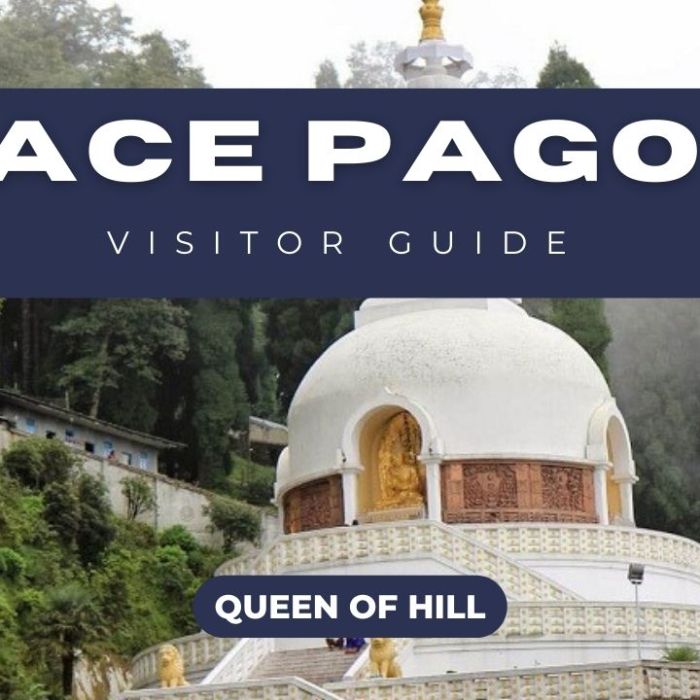
Japanese Peace Pagoda
Japanese Peace Pagoda is a peaceful Buddhist monument located a short drive away.
Batasia Loop
Batasia Loop is known for its spiral railway track and mountain views.
For full trip planning, explore:
- Darjeeling Travel Guide
- Tiger Hill Sunrise Guide
- Toy Train Guide
- Where to Stay in Darjeeling
How Much Time is Needed?
The zoo requires more time compared to most Darjeeling attractions.
- 1 hour: Quick walkthrough
- 1.5–2 hours: Comfortable visit with stops
- 2–3 hours: Including Mountaineering Institute
Because of walking distances and elevation, it is best not to rush.
Travel Tips
- Wear comfortable walking shoes
- Carry water, as walking can be tiring
- Avoid visiting during heavy rain
- Maintain silence and do not disturb animals
- Follow designated pathways
The experience improves significantly when you move at a relaxed pace.
Conclusion
The Padmaja Naidu Himalayan Zoological Park stands out as one of the most meaningful attractions in Darjeeling. It is not designed for quick sightseeing but for understanding the fragile ecosystem of the Himalayas.
By focusing on conservation and natural habitats, the zoo offers a more responsible and educational experience compared to typical city zoos. For travelers interested in wildlife, ecology, or simply a quieter environment, it is a valuable addition to any Darjeeling itinerary.
Spending a few hours here provides insight into the region’s biodiversity and the efforts being made to protect it for future generations.